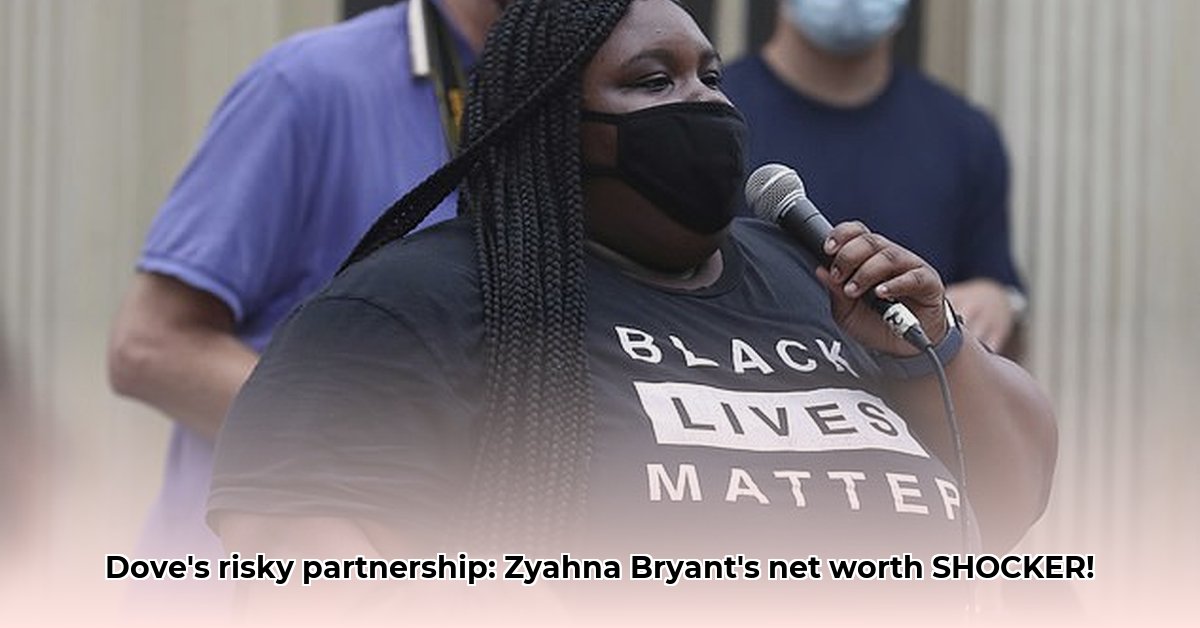
Zyahna Bryant and the Dove Partnership: A PR Disaster
Dove's recent partnership with activist Zyahna Bryant ignited a firestorm of controversy, highlighting the potential pitfalls of corporate social activism. While Zyahna Bryant's net worth remains undisclosed and is largely irrelevant to the core issue, the partnership itself—and the ensuing public backlash—offers a compelling case study in brand risk management. The rapid and intense negative reaction, fueled largely by social media, provides crucial lessons for companies seeking to align themselves with social causes.
Background on Zyahna Bryant and the Underlying Controversy
Zyahna Bryant is a prominent activist known for her involvement in Black Lives Matter and other social justice movements. However, her past is intertwined with a complex legal case stemming from her time at the University of Virginia, involving accusations and counter-accusations which have left a significant portion of the public deeply divided in their opinions of her. This pre-existing controversy formed the fertile ground for the later backlash against Dove.
Dove's Partnership Announcement and the Subsequent Backlash
Dove's partnership with Bryant was announced with the intention of promoting inclusivity and social responsibility. However, the announcement was met with immediate and widespread condemnation across social media platforms. The hashtag #BoycottDove quickly trended, reflecting the scale and intensity of the negative sentiment. Adding to the furor, prominent figures such as Elon Musk publicly criticized the partnership, further amplifying the negative narrative and damaging Dove's reputation. News outlets globally reported on the developing crisis, solidifying the controversy.
Analysis of the Controversy: A Case Study in Brand Risk
The intensity of the backlash stemmed from a confluence of factors. First, the pre-existing controversy surrounding Bryant provided ample ammunition for critics. Second, the swiftness and scale of the negative reaction on social media demonstrates the power of online outrage in shaping public opinion and impacting brand perception. This resonates with past controversies such as the Bud Light situation, which experienced similar levels of rapid, widespread backlash. Dove's initial silence in the face of growing criticism only exacerbated the damage.
Dove's Response (or Lack Thereof) and its Impact
Dove's (and parent company Unilever's) response to the criticism has been notably subdued, if existent. This lack of a proactive and transparent communication strategy added fuel to the fire, allowing the negative narrative to dominate the public discourse. The absence of a clear and decisive response is a significant aspect of this corporate crisis. The effective management of a public relations crisis demands immediate and transparent action; in this case, the lack of a response served to increase the damage exponentially.
Impact on Stakeholders: A Multifaceted Perspective
The Dove/Bryant partnership's fallout impacted multiple stakeholders:
Dove (Unilever): Experienced immediate reputational damage, with a potential negative impact on sales and long-term brand perception. Rebuilding trust will require a significant effort.
Zyahna Bryant: Faced renewed and intensified public scrutiny, potentially hindering future opportunities and amplifying the consequences of previous controversies.
Consumers: Witnessed a shift in brand loyalty; some consumers actively boycotted Dove’s products, while many others engaged in extensive social media discussions regarding the controversy.
Competitors: Had the opportunity to gain market share by capitalizing on Dove's damaged reputation.
Conclusion: Lessons Learned and Future Implications
The Dove-Bryant partnership serves as a cautionary tale for brands engaging in social activism. This case underscores the critical need for thorough due diligence, comprehensive crisis management planning, and a strong commitment to transparency and accountability. The speed and efficiency of social media in disseminating negative news necessitates immediate and decisive action in response to any reputational threat. The long-term consequences are still unfolding; however, it is undeniable that this incident will significantly alter how brands approach similar partnerships in the future. The lack of available information regarding Zyahna Bryant's net worth remains completely irrelevant to the actual crisis and the important lessons learned.